Line Art Illustration of Be Brave with
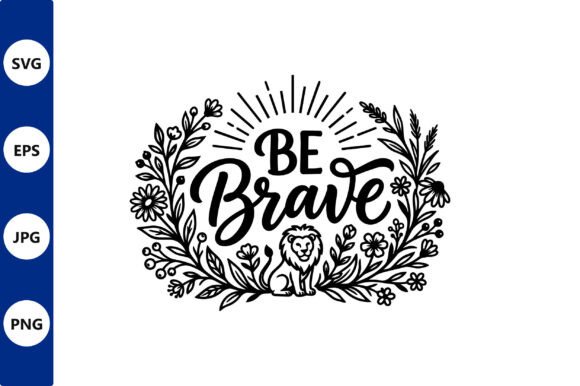
I have spent years reviewing embroidery files, testing them on everything from delicate baby onesies to heavy-duty canvas tote bags. Most digital assets look perfect in a mockup but fail miserably when the needle hits the fabric. Today, I am putting Line Art Illustration of Be Brave with through that same rigorous real-world test. This piece is described as a black and white line art vector featuring the phrase "be brave" encircled by a leafy floral wreath with a small lion at the base. It falls under the category of Illustrations and Graphics, but for us embroiderers, it is really about how well this design translates into a physical machine embroidery design.
The First Impression: Mood and Layout
When you first open the file for Line Art Illustration of Be Brave with, the mood is immediately clear. It strikes a balance between gentle encouragement and quiet strength. The circular layout of the floral wreath creates a natural focal point, which is excellent for embroidery because it guides the eye without overwhelming the stitch count. The inclusion of the small lion at the base adds a whimsical touch that elevates the design beyond a simple text graphic.
As an experienced designer, my initial reaction is positive regarding the visual personality. The line art style suggests a clean, modern aesthetic that works well for contemporary brands. However, the transition from a vector image to stitched thread requires careful consideration. The "be brave" typography needs to be legible even after being surrounded by the intricate details of the leafy wreath. If the lettering is too thin or the spacing too tight, the stitching might blur together, losing the message entirely. For now, the concept feels strong, promising a finished product that looks professional and heartfelt.
Real-World Application: A Custom Tote Bag Project
To truly understand the potential of this design, let's imagine a specific scenario. I am preparing a custom order for a local boutique owner who wants embroidered tote bags for her holiday gift shop. She specifically asked for something motivational but not cliché. Line Art Illustration of Be Brave with seemed like the perfect candidate.
I selected a sturdy, light-colored cotton canvas for the tote bag. The contrast between the dark thread and the light fabric would make the black and white line art pop beautifully. As I hooped the fabric, I noticed how the circular shape of the wreath fit perfectly within the standard 4x4 inch hoop area often used for tote bag centers. The lion at the base sits nicely at the bottom curve, anchoring the design so it doesn't feel top-heavy.
Once the machine started stitching, the results were promising. The satin stitch used for the outline of the wreath created a smooth, defined edge that mimicked the original vector lines. The fill stitches inside the leaves added just enough texture to give the design depth without making the fabric too stiff. When I pulled the bag out of the hoop, the customer (myself) could see the immediate value. This isn't just a print; it is a tactile, high-quality embroidered patch effect integrated directly into the product. The "be brave" message was crisp, and the overall presentation felt premium enough to justify a higher price point in an Etsy listing or a craft fair booth.
Where to Use It Carefully
While this design shines on structured items, there are specific situations where Line Art Illustration of Be Brave with requires caution. The intricate nature of the leafy wreath means that small hoop sizes can be problematic. If you attempt to stitch this on a very small item, like a keychain or a tiny cap logo, the fine details of the leaves and the small lion might get lost or merge into a solid blob of thread.
Textured fabrics also pose a challenge. While the design looks great on smooth canvas or twill, trying to embroider this on a thick, nubby wool or a highly textured knit could cause the needle to skip or the fabric to pucker around the dense areas of the wreath. Similarly, stretchy fabrics like jersey require a stabilizer that matches the garment's elasticity; otherwise, the tension of the satin stitch on the letters could cause the fabric to warp, distorting the circular shape of the design.
Dark fabrics present another hurdle. Since the source is a black and white line art vector, using it on a dark background requires a heavy application of underlay or a specific thread color strategy to ensure the lines don't disappear into the material. Without proper planning, the contrast might be too low, making the design hard to read. Additionally, if you plan to use this for frequent washing, such as on work aprons or kitchen towels, you must ensure the stitch density is appropriate. Too many stitches in one spot can make the fabric stiff and prone to cracking over time.
Impact on Brand and Customer Trust
In the world of handmade products and craft business, the quality of your embroidery speaks volumes about your brand. A sloppy stitch job can undermine the perceived value of a personalized gift or a small shop product. Line Art Illustration of Be Brave with, when executed correctly, signals professionalism. The clean lines and thoughtful composition suggest that the creator cares about the details, which builds trust with the buyer.
For Etsy sellers and creative entrepreneurs, this design offers versatility. It fits seamlessly into categories ranging from holiday embroidery gifts to apparel decorators looking for unique designs on sweatshirts. The motivational theme appeals to a wide audience, making it a safe yet stylish choice for commercial embroidery projects. When customers see a well-stitched wreath and a clearly readable message, they are more likely to engage with the brand and return for future purchases.
Practical Designer Notes for Success
Before you commit to a full production run with Line Art Illustration of Be Brave with, I strongly advise following these practical steps. First, always test the design on scrap fabric that matches your final project material. This allows you to check the thread color contrast and see how the stitch density interacts with the fabric weave.
Review the stitch types closely. Ensure that the satin stitch used for the outlines is not too wide, which can cause bird nesting, and that the fill stitch areas are properly anchored to prevent gaps. Confirm your hoop size before starting; if the design is too large for your machine's standard hoops, you may need to re-digitize or split the file. Inspect the small details, particularly the lion and the inner curves of the leaves, to ensure they are distinct and not merging.
It is also wise to test the design in both black and white mockups to visualize the final look against different backgrounds. Check whether the design works for both personal and commercial projects by verifying the licensing terms provided with the file. Finally, use the proper stabilizer for your fabric type to maintain the integrity of the finished product. By taking these precautions, you ensure that your embroidery project delivers the high quality that your customers expect.
This design has the potential to be a standout asset for your collection of design assets and digital embroidery files. Whether you are creating a tote bag design, a sweatshirt embroidery piece, or a special baby embroidery item, Line Art Illustration of Be Brave with offers a blend of charm and motivation that resonates with makers and buyers alike. Just remember that the success of the final piece lies in the execution, so take the time to prepare your materials and settings for the best possible outcome.