What Will Be Will Be Floral Sun Review
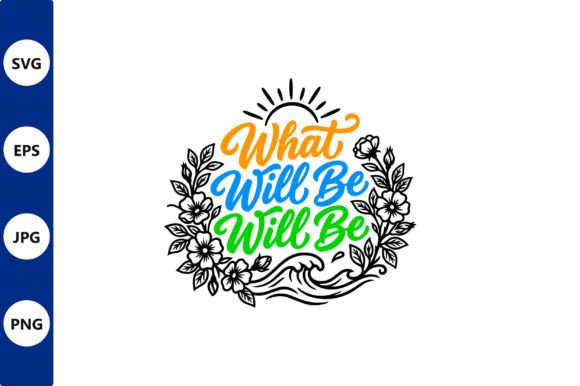
As a designer who spends countless hours evaluating digital assets for real-world stitching, I rarely get excited about a file until I can visualize the finished product in my hands. When I first opened What Will Be Will Be Floral Sun, it wasn't just another graphic; it was a mood board come to life. The black and white hand lettering composition paired with floral vines and a sun outline immediately suggests a specific aesthetic: grounded, optimistic, and deeply personal. This isn't a design meant for mass-market fast fashion; it is crafted for the thoughtful maker who values narrative in their craft.
The phrase itself carries weight. In an era of instant gratification, "What Will Be Will Be" feels like a gentle reminder to slow down. For an embroidery project, this translates into a piece that invites the viewer to pause. Whether you are creating a custom sweatshirt for a client or a personalized gift for a new parent, the visual personality of What Will Be Will Be Floral Sun sets a tone of calm confidence. It is the kind of design that looks equally at home on a rustic linen tote bag as it does on a crisp cotton apron.
Visualizing the Stitch: From Screen to Fabric
One of the most critical steps in reviewing any embroidery file is assessing how the vector shapes will translate into thread. The hand lettering style in this design offers a unique challenge and opportunity. Unlike rigid block fonts, hand lettering requires careful attention to stitch density to ensure the curves don't look muddy or lose their organic flow. The inclusion of floral vines framing the text adds a layer of complexity that elevates the piece from simple typography to a true illustration.
I envision this design primarily as a centerpiece for medium-to-large hoop projects. The sun outline provides a natural boundary, making it perfect for circular placements on items like caps or patches, though one must be cautious with curved surfaces. The contrast between the bold lettering and the delicate vine details creates a balanced composition. If executed well, the satin stitches along the letters will pop against the background, while the fill stitches in the flowers add texture without overwhelming the fabric. This balance is crucial for maintaining the integrity of the machine embroidery design when it leaves the hoop.
A Real-World Scenario: The Boutique Tote Bag
Let's imagine a practical scenario where I am preparing a collection for a local craft fair. My goal is to create a line of eco-friendly tote bags that appeal to the mindful consumer. I need a design that communicates resilience and beauty. What Will Be Will Be Floral Sun fits this brief perfectly.
Imagine stitching this onto a heavy-duty canvas tote in natural oatmeal color using a deep charcoal thread. The black and white nature of the original graphic means I have the freedom to choose thread colors that complement the theme without clashing. Perhaps I use a soft cream for the sun rays to mimic the warmth of the morning, while keeping the vines in a sage green or a classic black for high contrast. The result would be a functional accessory that doubles as wearable art. Customers browsing the stall wouldn't just see a bag; they would see a statement piece that aligns with their values.
This same logic applies to baby items. A onesie embroidered with What Will Be Will Be Floral Sun in pastel threads could become a cherished heirloom. The message resonates with parents navigating the uncertainties of raising children, offering a subtle comfort in its simplicity. For Etsy sellers looking to expand their inventory, this design offers versatility that can span across categories, from nursery decor to kitchen towels.
Where to Exercise Caution
While the design is robust, no single asset is a magic bullet for every situation. As an experienced reviewer, I must highlight where What Will Be Will Be Floral Sun might struggle if not handled with care. The primary concern lies in small hoop sizes. Hand lettering often contains fine details in the serifs and flourishes of the letters. If the design is scaled down too much for a small patch or a tiny hat brim, those details may disappear or merge into a solid blob of thread.
Fabric choice is equally critical. Stretchy fabrics like jersey knit require a stabilizer system that prevents puckering, which can distort the fluid lines of the floral vines. Similarly, textured fabrics like chunky wool or bouclé can hide the intricate work of the sun outline, making the design appear flat. Dark fabrics present another consideration; while the design is described as black and white, achieving true clarity on a black shirt requires a high-quality underlay and potentially a white or light-colored base layer to prevent the dark thread from sinking into the weave.
Additionally, products that undergo frequent washing, such as daily wear t-shirts or kitchen linens, demand a dense stitch structure to prevent fraying over time. If the stitch density in the fill areas is too low, the design may look sparse after a few washes. Conversely, if it is too high, the fabric may pucker, ruining the professional finish. Always test the design on scrap fabric first to gauge how the thread interacts with your specific material.
Elevating Product Value and Brand Consistency
In the world of handmade goods and commercial embroidery, presentation is everything. A well-executed design signals professionalism and builds trust with the buyer. What Will Be Will Be Floral Sun has the potential to elevate a generic product into a premium item. When a customer sees clean lines, consistent tension, and thoughtful color choices, they perceive higher value in the final product.
For creative entrepreneurs and small shop owners, having a library of versatile design assets allows for brand consistency across different product lines. You might feature the sun motif on a pillow cover, then adapt the same lettering for a holiday greeting card print. The cohesive look helps customers recognize your brand instantly. Furthermore, the positive, open-ended message of the phrase makes these items highly giftable, increasing the likelihood of repeat purchases and word-of-mouth referrals.
Practical Designer Notes for Success
Before you commit this design to a final project, there are several technical checks you should perform. First, verify the hoop size requirements. Ensure the design dimensions fit your intended garment without cutting off essential elements. Second, review the stabilizer recommendations. Heavy designs usually require cut-away stabilizers for durability, while lighter projects might suffice with tear-away.
Thread selection is the next step. Since the source is a black and white composition, you aren't limited to just two colors. Experiment with complementary palettes to match your target market. Test the design in both light and dark fabric mockups to ensure the contrast remains effective. Also, inspect the small details closely. Are the corners of the letters sharp? Do the vines connect smoothly? If you notice gaps or jagged edges in the preview, consider adjusting the stitch settings before running a full production run.
Finally, always confirm the licensing terms. If you plan to sell finished items featuring What Will Be Will Be Floral Sun, ensure your license covers commercial use. Some digital embroidery files are restricted to personal use only, which can limit your business potential. By taking these precautions, you protect your investment and ensure that your handmade product stands out for all the right reasons.
In conclusion, What Will Be Will Be Floral Sun is more than just a pretty picture; it is a strategic tool for designers and makers. Its blend of typography and botanical elements offers a timeless appeal that works beautifully across a wide range of applications. With careful planning and execution, this design can become a cornerstone of your portfolio, helping you create meaningful, high-quality embroidery projects that resonate with clients and customers alike.