Random Acts of Kindness Vector Art Review
As a designer who spends more time in front of embroidery machines than on the couch, I know that a pretty image on a screen doesn't always translate to a beautiful stitched piece. When I first saw Random Acts of Kindness Vector Art, my initial reaction was one of genuine warmth. It is exactly the kind of design that makes you think about the people you want to stitch for and the projects that need a little extra heart. This isn't just another generic clip art; it carries a specific mood that feels ready for real-world application.
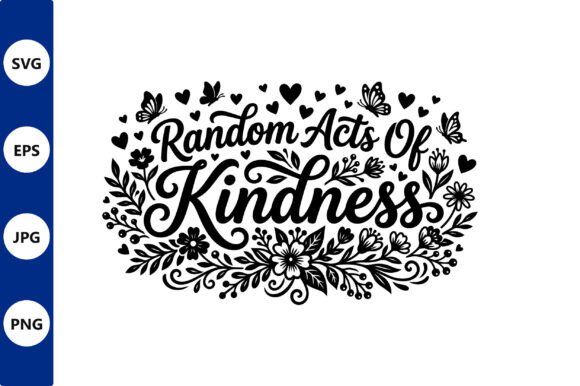
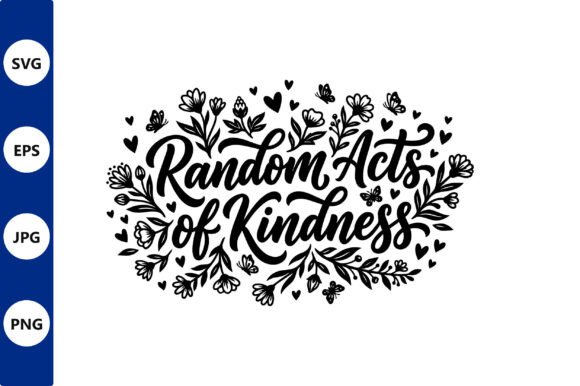
The design features a hand-lettered phrase surrounded by delicate floral accents and tiny hearts. In its black and white vector form, it looks crisp and clean, but the true test lies in how those elements behave under the needle. For any craft business owner or Etsy seller looking to add value to their shop, understanding the practical side of this Illustrations category product is essential before you hit the "stitch" button.
First Impressions: The Mood and Layout
The visual personality of Random Acts of Kindness Vector Art is soft yet confident. The hand-lettering style suggests a personal touch, which is crucial for handmade products. Unlike rigid block fonts, this typeface invites the viewer to slow down and read the message. The surrounding florals and hearts aren't overwhelming; they frame the text perfectly without creating a cluttered mess. This balance is what separates a professional-looking finished product from something that looks amateurish.
When I imagine this design on a shelf at a craft fair, it stands out because of its emotional resonance. It immediately signals a thoughtful gift or a boutique item designed with care. The layout is versatile enough to work as a central focal point on a tote bag or a subtle detail on a baby onesie. It feels like a design asset that could elevate a simple kitchen towel into a cherished keepsake.
Real-World Application: From Screen to Stitch
I recently considered using Random Acts of Kindness Vector Art for a custom order of embroidered tote bags for a local community initiative. The goal was to create a lightweight, durable bag that encouraged people to perform good deeds. Because the design is primarily line-based with open spaces between the letters, I knew it would be an excellent candidate for machine embroidery. However, the transition from digital vector to physical thread requires careful planning.
In a scenario like this, the floral accents and tiny hearts serve as perfect fill stitches or decorative running stitches. They break up the solid blocks of text, adding texture and visual interest. On a canvas tote bag, the design would look stunning in a high-contrast thread color, perhaps a soft sage green or a dusty rose against a natural beige background. The message becomes part of the fabric's story, making the product feel more meaningful to the recipient.
This same design also shines on sweatshirt embroidery. Imagine a cozy fleece pullover with the phrase centered on the chest. The density of the floral elements provides a nice contrast to the smooth satin stitch used for the lettering. For small business owners selling holiday gifts, this design hits the sweet spot between seasonal cheer and year-round appeal. It is not tied to a specific holiday, making it a smart inventory choice for makers who want consistent sales throughout the year.
Where to Exercise Caution
While the potential is high, there are specific scenarios where Random Acts of Kindness Vector Art might present challenges. One of the most critical factors is the hoop size. If you attempt to stitch this on a very small surface, like a baseball cap or a small patch, the tiny hearts and fine details of the florals might get lost or distort due to fabric tension. The curvature of a cap can also cause the hand-lettering to warp if the digitization isn't adjusted correctly for the curve.
Textured fabrics are another area to watch. While a rough linen or denim adds character, the intricate details of the vector art might not catch the thread cleanly on a highly textured surface. Thin fabrics, such as silk or lightweight cotton voile, require a stabilizer that matches the delicacy of the design. Without proper support, the tiny hearts could pull the fabric, causing puckering around the edges of the embroidery project.
Additionally, dark fabrics demand a different approach. Since the original vector is black and white, the contrast relies entirely on your thread selection. Using a light thread on a dark background will make the design pop, but you must ensure the stitch density is sufficient to cover the fabric completely. If the density is too low, the background fabric will show through, ruining the clarity of the message.
Impact on Product Value and Brand Trust
The quality of your embroidery directly influences customer trust. A well-executed Random Acts of Kindness Vector Art design signals professionalism. When a buyer receives a personalized gift or a custom apparel item, they are paying for the sentiment as much as the object itself. If the stitching is sloppy, the message gets lost. But when the florals are neat, the lettering is crisp, and the hearts are perfectly placed, the product feels premium.
For Etsy sellers and creative entrepreneurs, this design is a powerful tool for brand consistency. It reinforces a narrative of kindness and care, which resonates deeply with modern consumers who value ethical and thoughtful production. A printable mockup featuring this design can significantly boost engagement on social media, as the aesthetic is inherently shareable. It fits seamlessly into a boutique branding strategy that prioritizes emotional connection over mass production.
Practical Designer Notes for Success
Before committing to a full production run, I always recommend testing the design on scrap fabric. This step is non-negotiable for anyone serious about their craft business. You need to verify how the stitch density interacts with your chosen fabric texture. Does the running stitch hold up? Do the fill stitches lay flat without bunching?
Check your thread colors carefully. The contrast between the thread and the fabric is what brings the embroidery file to life. Don't assume that a standard black thread will work on every material; sometimes a charcoal grey or a deep navy offers a softer, more sophisticated look. Also, inspect the small details closely. The tiny hearts might need a slight adjustment in the digitizing process to ensure they don't merge together on finer fabrics.
If you are planning to sell finished items, confirm the licensing terms associated with the digital embroidery file. Some licenses allow for commercial use, while others restrict the number of units you can produce. Understanding these boundaries protects your craft business from legal issues. Finally, remember that proper stabilizer is key. Whether you are working on a tote bag design or a delicate baby embroidery project, the right backing ensures the longevity of the finished product.
Random Acts of Kindness Vector Art is more than just a graphic; it is a prompt for creativity and compassion. By approaching it with technical precision and a clear eye for detail, you can transform a simple vector into a cherished handmade product that spreads joy far beyond the studio.