Loveland Frogman Folk Art Design Review
As someone who has spent years evaluating machine embroidery design files for both personal hobbies and commercial client work, I know that the difference between a good product and a great one often lies in the details. When I first laid eyes on the Loveland Frogman Folk Art Design, it immediately stood out from the sea of generic cryptid art floating around digital marketplaces. This isn't just another frog illustration; it is a piece of Ohio folklore brought to life with a bold, graphic personality. For designers looking to create unique custom apparel or boutique items, this file offers a compelling narrative that goes beyond simple decoration.
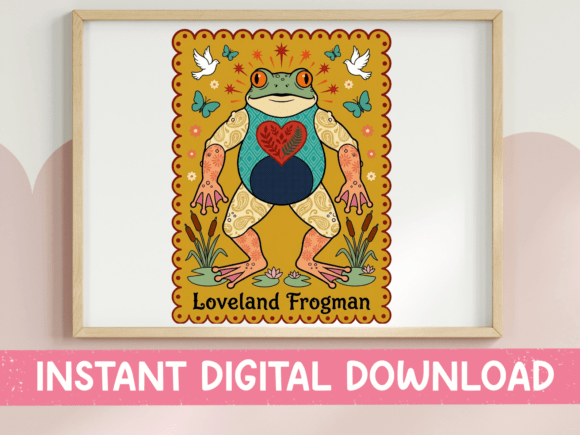
The visual impact of the Loveland Frogman is undeniable. The concept of a green and tan patterned frog standing upright in a human-like pose creates an instant sense of whimsy mixed with slight eeriness. Those wide orange eyes are particularly striking, serving as the focal point that draws the viewer in. From a design perspective, this layout works exceptionally well for embroidery projects where you want the subject to be the star. It feels like a natural fit for a storybook aesthetic, making it perfect for nursery decor, children's clothing, or quirky handmade product lines that need a conversation starter.
I recently put this embroidery file through a rigorous test scenario: creating a custom embroidered tote bag for a local craft fair booth. My goal was to produce a limited run of bags featuring regional folklore to attract tourists and locals alike. The Loveland Frogman Folk Art Design proved its worth during the digitizing review phase. The contrast between the green body and the tan patterns suggests a rich texture that translates beautifully into thread. I envisioned using a mix of satin stitch for the outline to give it definition and fill stitch for the body to capture that patterned look without losing detail.
However, putting theory into practice requires careful consideration of the medium. While the design is robust, it demands respect when placed on certain materials. If you are planning to use this on a stretchy fabric like a standard cotton t-shirt, you must ensure your stabilizer choice is adequate to prevent puckering. I also tested a mockup on a dark navy cap, which presented a challenge. The orange eyes pop against dark backgrounds, but the lighter tan patterns might get lost if the thread density isn't dialed in perfectly. This highlights the importance of testing thread color contrast before committing to a full production run. For a tote bag design made of canvas or heavy cotton duck, the results were flawless, offering a crisp, professional finish that elevated the perceived value of the item.
Where This Design Shines in Real-World Applications
The versatility of the Loveland Frogman Folk Art Design makes it a valuable asset for Etsy sellers and small business owners. Its folk art style aligns perfectly with the current trend toward handmade, artisanal goods. Imagine a set of matching kitchen towels featuring this character alongside other Ohio legends; the cohesive branding would be strong enough to justify a premium price point. Similarly, for those specializing in baby embroidery, the friendly yet mysterious nature of the frogman could be adapted for onesies or bibs, provided the size is adjusted correctly.
In the realm of holiday gifts, this design offers a unique alternative to traditional seasonal motifs. A sweatshirt embroidered with the Loveland Frogman serves as a perfect personalized gift for someone who loves the outdoors or has a connection to the Midwest. It moves away from generic "Merry Christmas" text and offers a specific cultural touchstone that resonates deeply with fans of cryptid lore. For commercial embroidery projects, such as creating branded merchandise for a themed cafe or a local museum shop, this graphic adds a layer of authenticity that customers appreciate.
The design also holds significant potential for embroidered patch creation. The distinct shape of the frogman allows for clean edges, which is crucial for patches that will be ironed or sewn onto jackets and backpacks. The upright posture provides a balanced silhouette that looks good whether centered on a chest pocket or displayed as a standalone badge. When paired with a sturdy backing material, this design asset can become a collectible item in itself, appealing to collectors who hunt for rare or unique cryptozoological memorabilia.
Navigating Technical Challenges and Limitations
While the Loveland Frogman Folk Art Design is visually impressive, no single file is a magic bullet for every situation. There are specific constraints where this design should be used with caution. Small hoop sizes are a primary concern. If the original artwork contains intricate details in the pattern of the frog's skin or fine lines around the eyes, attempting to downsize this for a tiny hat brim or a delicate baby bootie could result in a muddy, indistinct mess. The stitch density required to render the green and tan patterns effectively might overwhelm thin fabrics, leading to stiffness or distortion.
Textured fabrics present another hurdle. While the rough texture of denim or burlap complements the folk art vibe, the uneven surface can cause the needle to skip stitches or the design to appear distorted. For apparel decorators working with layered garments or curved surfaces like caps, the flat nature of the original graphic may require re-digitizing to accommodate the curvature. Additionally, if you plan to wash these items frequently, dense stitch areas can trap lint or wear down over time if not properly secured. Always inspect small details and test the design on scrap fabric first to ensure the finished product maintains its integrity after multiple wash cycles.
Professional Tips for Execution
To maximize the success of your project with the Loveland Frogman Folk Art Design, I recommend a few practical steps before you start stitching. First, confirm the licensing terms. Many digital products come with restrictions on how they can be used, especially for small shop products intended for resale. Ensure you have the rights to sell finished items created with this digital embroidery file. Second, always review the stitch density settings in your software. If the design feels too heavy, consider adjusting the fill density slightly to reduce bulk without sacrificing the visual impact of the frogman's form.
Testing the design in black and white mockups is another excellent strategy. This helps you visualize the value of the design independent of color, ensuring that the shapes hold up even if the thread colors are less vibrant than expected. Compare light and dark fabric backgrounds to see how the orange eyes and tan patterns interact with different base colors. Using the proper stabilizer is non-negotiable; for a design with this much visual weight, a cut-away stabilizer often provides the best support for long-term durability.
Ultimately, the Loveland Frogman Folk Art Design is more than just a graphic; it is a storytelling tool. When executed with care, it transforms a simple piece of cloth into a conversation piece that celebrates local legend and creative expression. Whether you are building a brand identity for a boutique or crafting a one-of-a-kind gift, this design offers the depth and character needed to stand out in a crowded marketplace. By paying attention to the nuances of thread colors, fabric texture, and technical execution, you can turn this cryptid illustration into a beloved staple of your collection.
For those ready to dive in, remember that the key to a successful embroidery project lies in preparation. Take the time to understand the limitations of the applique design elements if applicable, check the hoop size requirements, and trust your instincts as a designer. The Loveland Frogman is waiting to bring a bit of Ohio magic to your next creation, provided you treat it with the professional scrutiny it deserves.