Hug Me Teddy Floral Vector Review
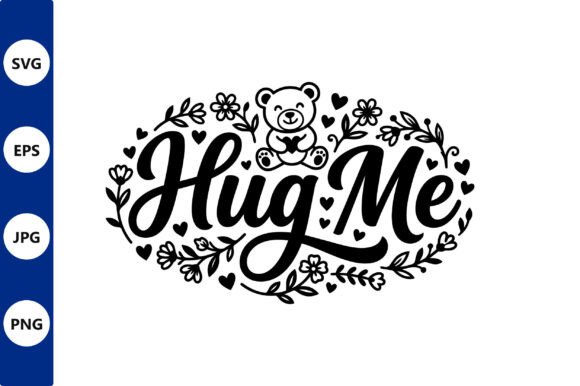
When I first opened the file for Hug Me Teddy Floral Vector, my immediate reaction wasn't about stitch counts or file formats. It was about the feeling the design evokes. In a sea of generic clip art and overused typography, this piece stands out because it feels genuinely warm. As a designer who has spent years evaluating digital assets for real-world embroidery projects, I look for more than just a pretty picture; I need to know if a design can survive the transition from screen to fabric without losing its soul. This black and white vector design features a "Hug Me" text framed by a cute teddy bear and floral vines, hearts, and leaves in a playful composition that screams comfort. It is exactly the kind of graphic that makes me want to pick up a needle and thread immediately.
The layout of Hug Me Teddy Floral Vector is deceptively simple. The central message is clear, but the surrounding elements—the floral vines curling around the edges, the scattered hearts, and the leafy accents—create a natural border that guides the eye inward. For an embroidery project, this framing is crucial. It prevents the design from looking like a floating sticker on a garment. Instead, it suggests a cohesive scene. Whether you are an Etsy seller looking to create a best-selling personalized gift or a craft business owner preparing stock for a holiday market, this design offers a level of charm that resonates with buyers who value handmade aesthetics. The vector nature of the file ensures that scaling the image won't introduce jagged edges, which is a common pitfall when converting raster graphics for stitching.
Real-World Application: From Screen to Stitch
Let's imagine a specific scenario where I would deploy Hug Me Teddy Floral Vector. Picture a small boutique owner preparing for a baby shower season. They need a custom embroidered tote bag to give as a welcome gift to new parents. The design needs to be soft, inviting, and not too overwhelming. When I visualized placing this design on a canvas tote, the black and white contrast offered a modern, minimalist vibe that could easily be adapted with colorful threads later. The teddy bear acts as the focal point, while the vines and flowers add texture without cluttering the space.
I also see this design thriving on a sweatshirt for a cozy winter collection. The "Hug Me" text paired with the bear creates an instant emotional connection, perfect for holiday gifts or self-care campaigns. However, the success of this embroidery file depends heavily on how we handle the details. If the goal is a professional finished product, the density of the fill stitches around the bear's face must be managed carefully. Too much density can cause puckering, especially on lighter fabrics, while too little can result in a flat, unappealing look. The floral vines require a mix of satin stitch for the stems and perhaps a running stitch for the delicate leaves to capture their organic movement.
For those selling digital products, this graphic serves as an excellent printable mockup asset. You can place the vector into various product templates to show potential customers how a tote bag design or a kitchen towel might look before they even buy the physical item. The clean lines make it versatile enough to work on both dark and light backgrounds, provided you adjust the thread colors appropriately. A white teddy bear on a navy blue apron tells a different story than a charcoal gray bear on a cream-colored pillow cover, but the core personality of Hug Me Teddy Floral Vector remains intact in both scenarios.
Navigating Technical Challenges
While the artistic merit of this design is high, practical application requires a critical eye. Not every surface is suitable for every design. If you plan to use Hug Me Teddy Floral Vector on a curved surface like a baseball cap, you will need to pay close attention to the hoop size and the distortion caused by the curve. The text "Hug Me" is central, but the surrounding vines extend outward. On a tight curve, these outer elements might stretch or compress, altering the intended balance of the composition. For such applications, testing on scrap fabric is non-negotiable.
Similarly, textured fabrics pose a significant challenge. While a thick cotton canvas or a sturdy denim jacket can handle the detail, thin or stretchy materials like jersey knit require a robust stabilizer system. Without proper backing, the tension required to pull the satin stitches through the fabric could distort the lettering, making the word "Hug" appear wobbly. This is particularly important for baby embroidery projects where safety and durability are paramount. If the design sits on a onesie that gets washed frequently, the stitch density must be secure enough to withstand agitation without fraying.
There are also limitations regarding small hoop sizes. If you attempt to shrink this design down to fit a tiny patch or a small accessory, the fine details of the floral vines and hearts may become indistinguishable. The resolution of the final stitched image will suffer, and the design could look muddy rather than crisp. In such cases, it is often better to simplify the design or focus on the central text and bear, removing the peripheral vines. Understanding the relationship between stitch density and hoop size is essential for maintaining the integrity of the artwork.
Design Notes for the Professional Maker
To ensure your finished product meets the highest standards, consider these practical steps before starting your production run. First, always test the design on a scrap piece of the actual fabric you intend to use. This allows you to observe how the thread colors interact with the material and whether the stabilizer is sufficient to prevent shifting. Check the stitch density in the digitizing software; if the fill areas are too dense, the fabric may pucker, ruining the aesthetic appeal of the embroidered patch or apparel.
Review the small details closely. The tiny hearts and leaf tips should be distinct. If they appear too small, consider adjusting the minimum stitch length or simplifying the shape slightly. Inspect the design in black and white mockups to ensure the contrast holds up before committing to color. Compare how the design looks against light and dark fabric backgrounds to determine the best thread palette. Using a proper stabilizer is key; for woven fabrics, cut-away stabilizers offer the most stability, while tear-away might suffice for temporary support on stable knits.
Finally, confirm the licensing terms before selling any items made with this digital embroidery file. Some licenses allow for personal use only, while others permit commercial sales of the finished goods. As a craft business owner, understanding these distinctions protects your reputation and ensures compliance. If you are creating a small shop product line, consistent quality builds trust. A well-executed Hug Me Teddy Floral Vector design signals professionalism and care, encouraging repeat customers and positive reviews.
In conclusion, Hug Me Teddy Floral Vector is a versatile and emotionally resonant choice for a wide range of projects. Its playful composition and clear messaging make it ideal for holiday embroidery, wedding gifts, and everyday wear. By approaching the digitization process with caution and attention to technical details, you can transform this vector graphic into a stunning piece of wearable art that brings joy to anyone who receives it. Whether you are decorating a sweatshirt, creating a unique pillow cover, or launching a new line of custom apparel, this design offers a solid foundation for creativity and commercial success.